
About the Session
Treatment process
History – As much history will be taken as possible, looking at the animals past and existing conditions, exercise regime and management programme. This will create a full picture of the animal and will identify possible factors that may be contributing to muscle soreness or misalignments.
Assessment of gait – the horse will be observed statically and in both walk and trot. Any abnormalities, asymmetries, deviation in gait will be observed. The horse may be required to be ridden or lunged.
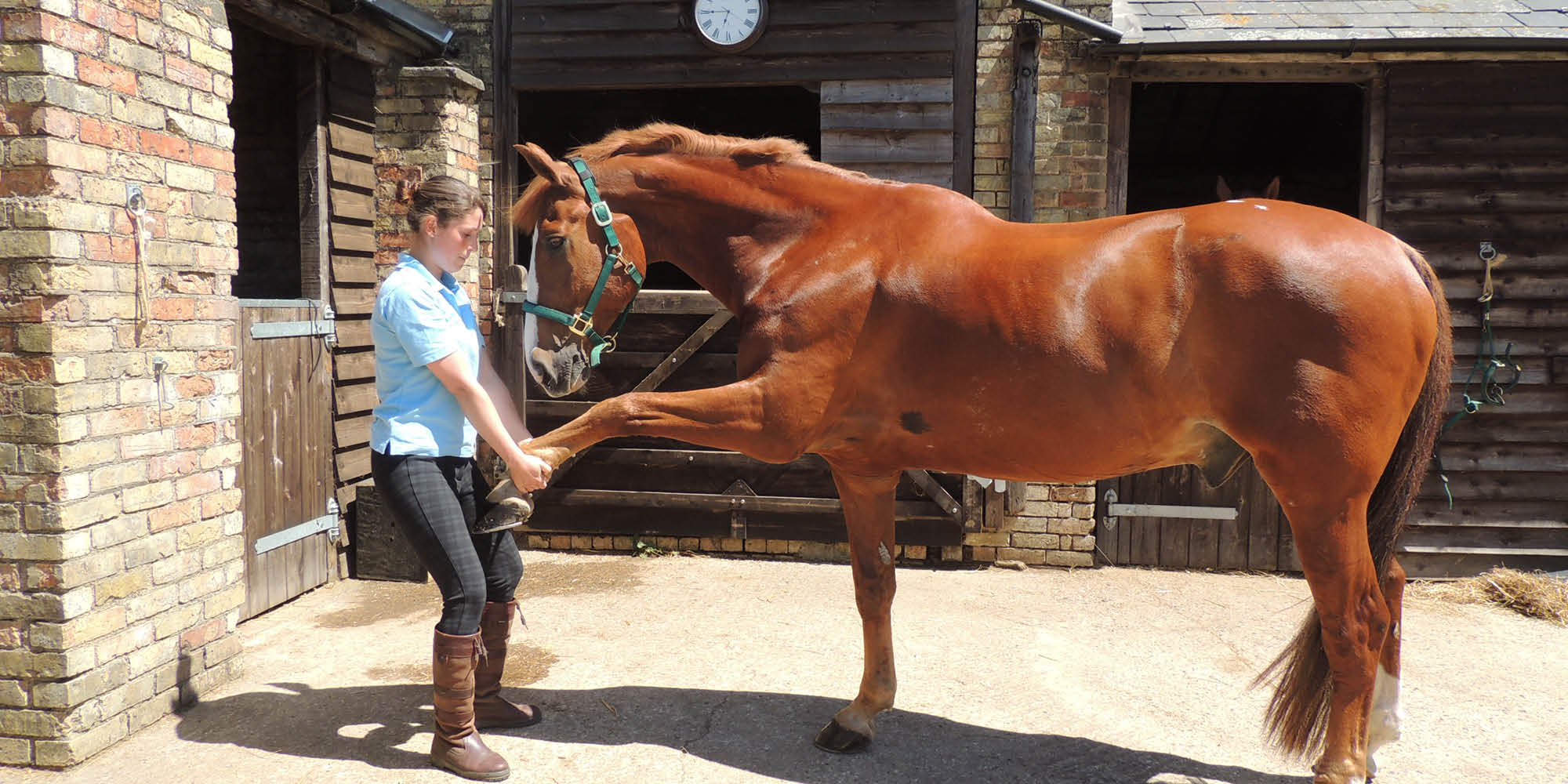
Treatment – Natalie will first palpate the whole horse, before beginning any adjustments or massage. Once treatment commences the horse can often be seen to be licking and chewing in response to the treatment.
Aftercare – Specific aftercare will be provided after each treatment, in relation to exercise, rest and management. The important factor is that the treatment will initiate the healing process, and the horse’s innate intelligence will respond to the changes. Follow up treatments are recommended for maintenance purposes, if a specific problem is identified, then a shorter period of time will be advised.
Contraindication to treat – If the horse has under gone a fall, accident and/or is lame, the animal must be seen by a veterinarian before any treatment is undertaken. Like wise if the horse currently has any infection, virus the horse may not be treated.
McTimoney Animal Manipulation
The treatment used is a holistic treatment, which means we treat the animal as a whole, rather than just looking at one area of the body. This is because the skeletal and muscular systems are interrelated.
The treatment used is non invasive and relatively gentle. The adjustments used are short, high velocity adjustments, which concentrate on speed and accuracy, rather than force. No tools or equipment are used in the treatment, only my hands are used for analysis and for any adjustments.

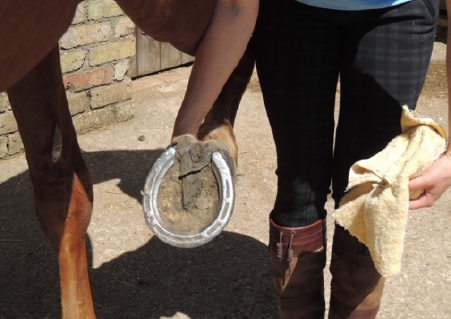
The treatment can be used to help relieve pain and restore movement after they suffer an injury, such as a fall, collision or accident. Although problems can also be caused such as poorly fitting tack, incorrect foot balance or rider imbalances.
Equine sports massage is a therapeutic application of hands-on technique for the purpose of increasing circulation and range of motion as well as improving the horse’s stamina and overall performance. Sports massage also relieves muscle spasm and tension and enhances muscles tone.
Overuse, over stretching and overloading muscle can cause tissue damage, which can lead to restriction in motion.

Myofascial Release (MFR)
Myofascial release is a soft tissue technique. Fascia is the connective tissue of the body. The living matrix (net) provides the body’s shape and determines the form of each cell, tissue, organ, muscle, ligament. Etc.
How does the fascia become injured? – nervous tension, injury, overuse, cooling down/ warming up too quickly, incorrect shoeing, poor nutrition, poor fitting tack, unbalanced rider, fatigue and rushed training. Trauma to the fascia, such as acute inflammatory responses, and/or surgical procedures create restrictions in fascia, that can result in pain response, change in behaviour, reduction in range of motion. Myofascial release is a really good alternative for horses that do not like to be massaged.

We have used Natalie for many years for our show ponies, she keeps them in tip top condition for competing. the ponies all love being treated by her & we always notice the difference when riding them afterwards. we always recommend Natalie & wouldn’t use anyone else.

Call me today to see how I can get your horse back in action
Call: 07792 577270 or Email: info@equinebackinaction.co.uk


Tel: 07792 577270 | Email: info@equinebackinaction.co.uk